
Pain is one of the most common reasons people seek complementary and alternative therapies, and acupuncture has steadily gained recognition as an effective, evidence-informed option for managing various types of discomfort. Rooted in Traditional Chinese Medicine and now widely integrated into modern healthcare settings, acupuncture is used by millions of people worldwide to reduce pain, improve function, and support overall well-being.
This article explores how acupuncture works and the many conditions it may help treat, especially for those seeking natural pain relief options.
How Acupuncture Works for Pain Relief
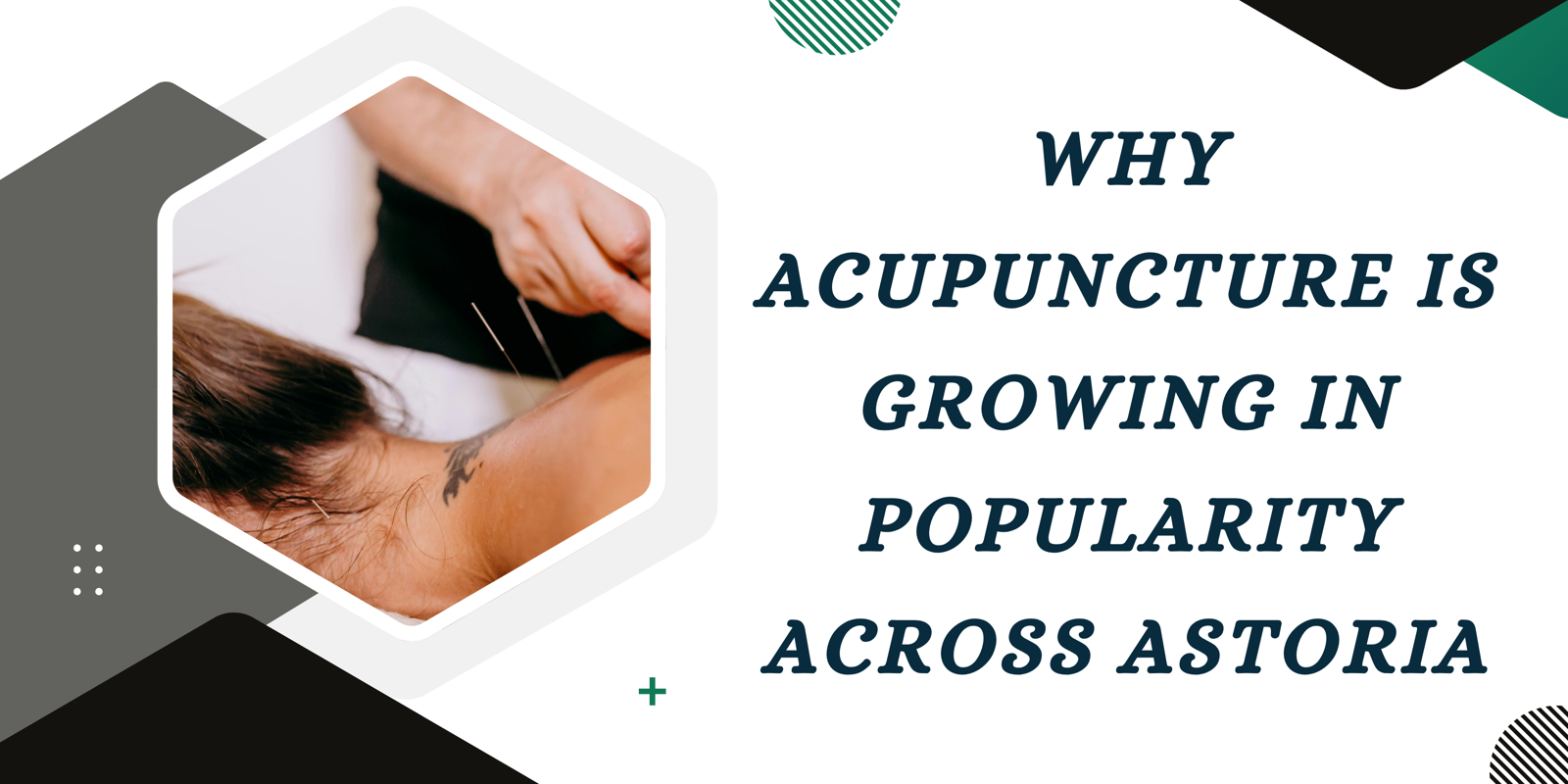
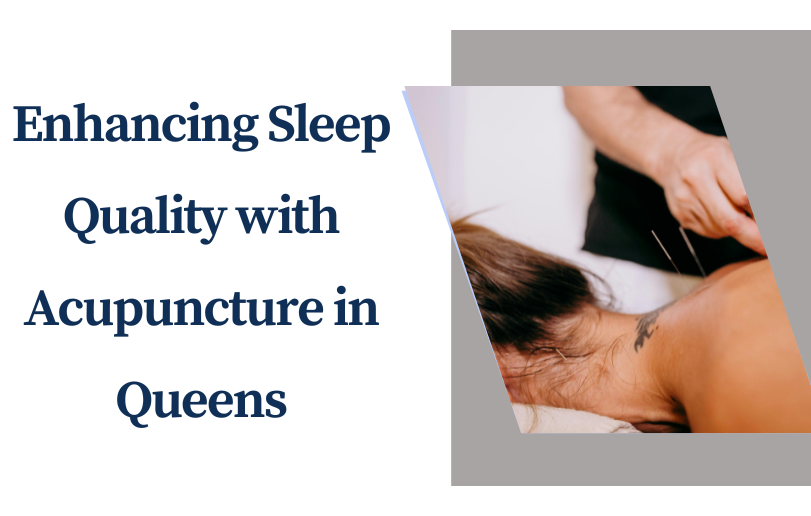
Acupuncture involves the insertion of very thin, sterile needles into specific points on the body. These points are believed to stimulate the nervous system, improve blood flow, and encourage the release of natural pain-relieving chemicals such as endorphins.
From a modern medical perspective, acupuncture may help:
Modulate pain signals in the brain and spinal cord
Reduce inflammation in affected tissues
Improve circulation and oxygen delivery
Relax tight muscles and connective tissue
Activate the body’s natural healing response
Rather than simply masking symptoms, acupuncture aims to address underlying imbalances that contribute to chronic or recurring pain.
Back Pain and Lower Spine Issues
One of the most well-researched uses of acupuncture is for lower back pain. Whether caused by poor posture, muscle strain, herniated discs, or long-term wear and tear, back pain can significantly affect quality of life.
Acupuncture may help:
Reduce muscle stiffness
Improve mobility and flexibility
Decrease inflammation around spinal nerves
Provide long-term pain management without heavy medication
Many patients report noticeable improvement after a few sessions, especially when acupuncture is combined with lifestyle changes or physical therapy.
Neck and Shoulder Pain
Modern lifestyles involving long hours at desks or looking at screens often lead to chronic neck and shoulder tension. Acupuncture helps relax tight muscles and improve blood circulation in these commonly affected areas.
People seeking acupuncture Astoria NY often do so for neck stiffness, tension headaches, and shoulder pain caused by stress or poor posture. Treatment can help release trigger points and restore natural movement, making daily activities more comfortable.
Migraines and Tension Headaches
Headaches and migraines can be debilitating, often interfering with work, sleep, and social life. Acupuncture is increasingly used as a preventive and therapeutic approach for both tension headaches and migraines.
It may help by:
Reducing frequency and intensity of headaches
Decreasing muscle tension in the head, neck, and jaw
Improving blood flow to the brain
Lowering stress levels, a major headache trigger
Regular sessions can contribute to fewer flare-ups over time.
Sciatica and Nerve Pain
Sciatica occurs when the sciatic nerve becomes irritated or compressed, often causing sharp, radiating pain from the lower back down the leg. Acupuncture may help relieve pressure on the nerve and reduce inflammation in surrounding tissues.
Patients often notice:
Reduced shooting pain
Improved walking and mobility
Less numbness or tingling
Better sleep due to decreased discomfort
Arthritis and Joint Pain
Osteoarthritis and rheumatoid arthritis are common causes of chronic joint pain, especially in the knees, hips, hands, and shoulders. Acupuncture can help reduce stiffness and improve joint function over time.
Benefits may include:
Reduced inflammation in joints
Increased range of motion
Decreased reliance on pain medication
Improved daily activity levels
While not a cure, acupuncture is often used as part of a long-term pain management strategy.
Sports Injuries and Muscle Strain
Athletes and active individuals frequently turn to acupuncture for recovery support. It is commonly used for sprains, strains, tendonitis, and overuse injuries.
Acupuncture may:
Speed up muscle recovery
Reduce swelling and bruising
Improve flexibility and circulation
Help prevent future injuries
Fibromyalgia and Chronic Pain Conditions
Fibromyalgia and other chronic pain disorders can be difficult to manage with conventional treatments alone. Acupuncture may offer relief by calming overactive pain signals and improving sleep quality.
Many patients report:
Reduced widespread pain
Better sleep patterns
Improved energy levels
Lower stress and anxiety
Stress-Related Pain and Tension
Emotional stress often manifests physically in the body as tight muscles, headaches, jaw pain, or back discomfort. Acupuncture is widely used for relaxation and nervous system regulation.
In combination with massage therapy Astoria, many patients experience enhanced results. Massage helps release deep muscular tension, while acupuncture supports internal balance and stress reduction, making the two therapies highly complementary.
Post-Surgical and Recovery Support
After surgery, the body goes through a healing process that may include swelling, stiffness, and discomfort. Acupuncture is sometimes used as a supportive therapy to promote recovery.
It may help:
Reduce post-operative pain
Improve circulation to healing tissues
Minimize scar tissue formation
Support faster rehabilitation
What to Expect During Treatment
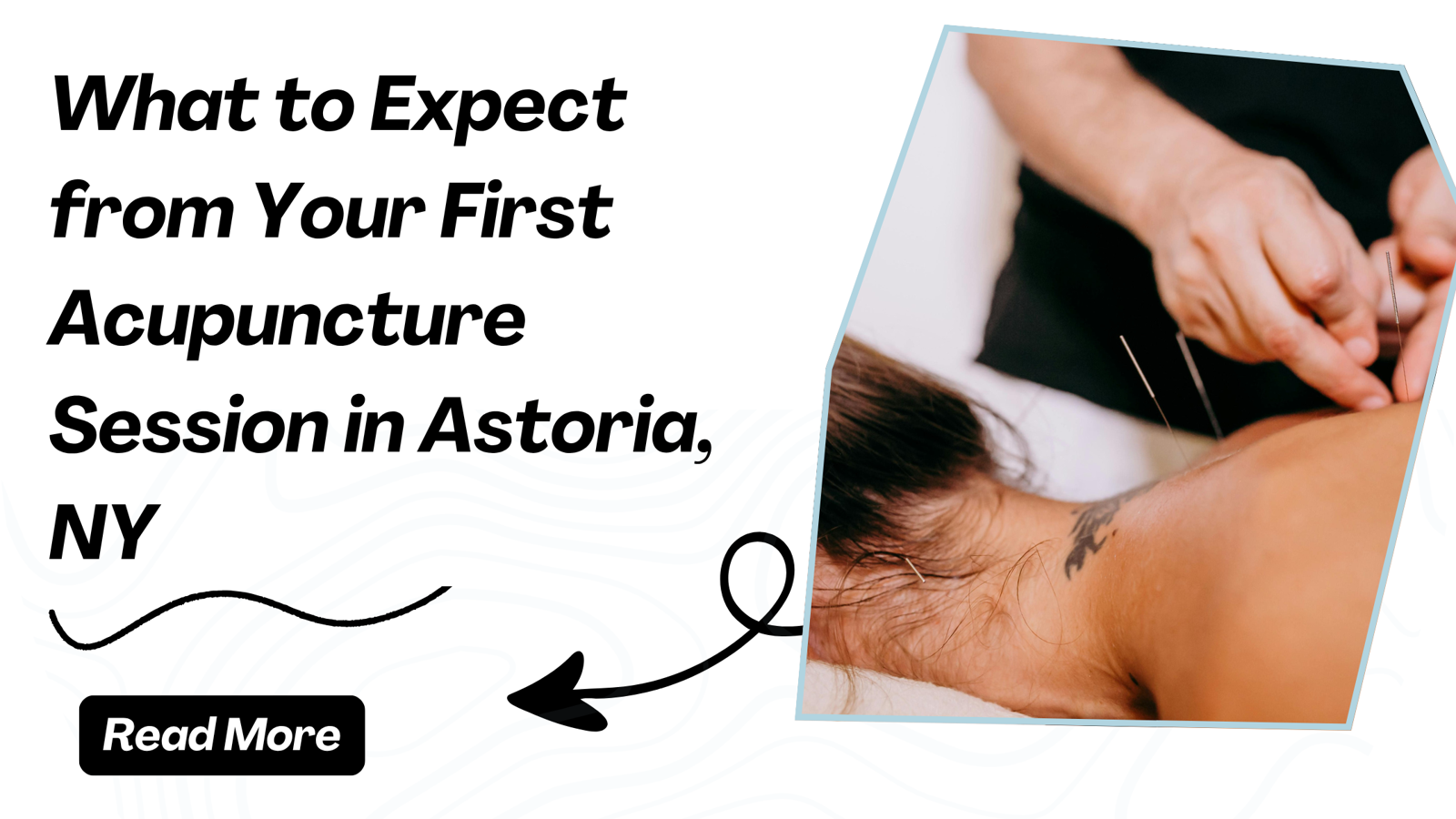
A typical acupuncture session begins with a consultation to understand your symptoms and health history. Thin needles are then placed at specific points on the body and usually remain in place for 15–30 minutes.
Most patients describe the sensation as minimal, often feeling relaxed or even sleepy during treatment. The number of sessions needed depends on the condition being treated and its severity.
Frequently Asked Questions (FAQ)
1. Is acupuncture painful?
Most people feel little to no pain. The needles are extremely thin, and many patients report a mild tingling or relaxed sensation.
2. How many sessions are needed for pain relief?
This varies depending on the condition. Acute pain may improve in a few sessions, while chronic conditions may require ongoing treatment.
3. Is acupuncture safe?
Yes, when performed by a licensed practitioner using sterile needles, acupuncture is considered very safe with minimal side effects.
4. Can acupuncture replace medication?
In some cases, it can reduce the need for pain medication, but it should be used under medical guidance, especially for chronic conditions.
5. How quickly will I feel results?
Some patients feel relief after the first session, while others notice gradual improvement over several treatments.
Final Thoughts
Acupuncture continues to grow in popularity as a safe, natural, and effective option for managing pain and improving overall health. From back pain and migraines to sports injuries and stress-related tension, it offers a holistic approach that supports both the body and mind.
If you are exploring natural pain relief options, consider professional care from Oak Point Massage and Acupuncture. Their experienced team provides personalized treatments designed to address your specific needs and help restore balance, mobility, and long-term wellness.
Book your appointment today with Oak Point Massage and Acupuncture and experience expert care that combines acupuncture and holistic healing for lasting pain relief and better health.







Write a comment ...